Black Friday has always been the ultimate stress test for sales and marketing teams. It’s the moment when consumer expectations are sky-high, offers flood the market, and operations are pushed to the limit. But when planning for black friday 2025, it’s not just about the rush of holiday deals—it’s about navigating an economy reshaped by tariffs, inflationary pressure, and shifting consumer confidence.
At Incentive Insights, we’ve spent decades helping brands design and manage rebate and incentive programs. What we’ve learned this year is clear: Black Friday incentives in 2025 must do more than attract attention; they must also provide relief.
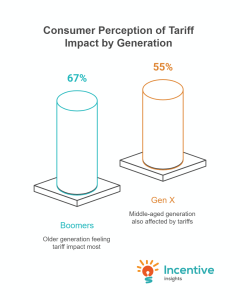
The August U.S. Tariffs: Consumer Impact Survey revealed that most consumers believe they are personally paying the price for tariffs. Boomers (67%) and Gen X (55%) feel this impact the most. When asked what they’d do with rebate relief, the majority said they’d spend it on essentials, savings, or debt repayment. That’s a wake-up call for brands. Rebates aren’t just perks; they’re trust-building tools in an uncertain economy.
So, how do you prepare your consumer incentive program for this year’s Black Friday? Here are six strategies to get it right.
1. Reframe the Offer as Relief
Consumers don’t want gimmicks; they want clarity and confidence. Position rebates as straightforward, meaningful savings. The simpler the offer, the stronger the response. A “$50 rebate direct to your digital wallet” is far more effective than a layered or confusing structure.
Real-world example: One consumer electronics brand replaced a complex mail-in rebate with an instant digital reward card delivered via email. Claim submissions jumped 35%, and customer satisfaction scores rose sharply because the offer felt like immediate relief instead of red tape.
2. Scale for Volatility
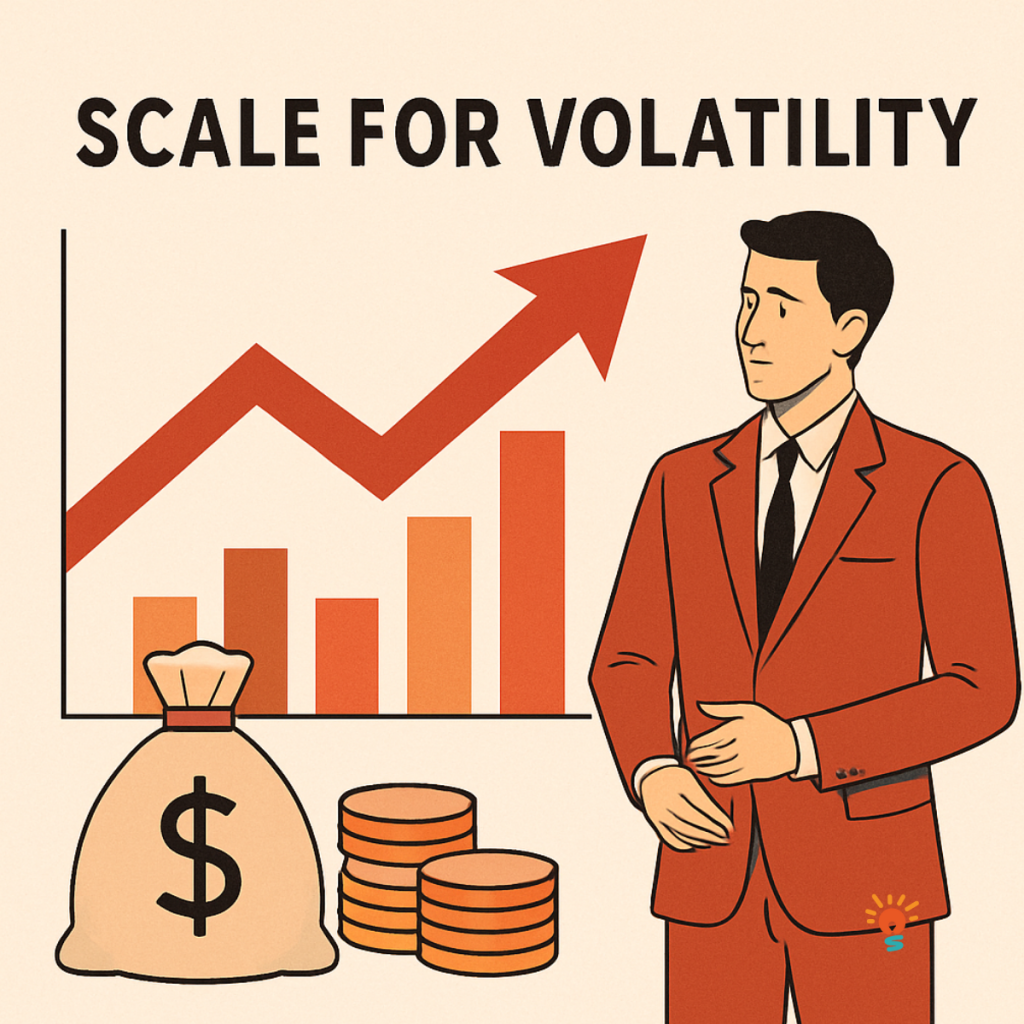
Tariff-driven price hikes and consumer hesitancy make forecasting tricky. Some categories may surge as shoppers look to buy ahead, while others may slump under higher costs. Your fulfillment systems must flex with these swings. Programs that can absorb sudden volume shifts without delays will protect both your brand reputation and your margins.
Real-world example: A national appliance retailer partnered with us to prepare for unpredictable demand surges. By implementing scalable rebate fulfillment technology, they processed triple the expected claim volume during Black Friday without delays, avoiding costly customer service escalations.
3. Streamline Claims and Fulfillment
When budgets are tight, even small obstacles can lead to abandonment. Mobile-first submission processes, instant confirmation emails, and transparent tracking portals reduce friction and improve completion rates. Fast payouts—especially digital rebates—are no longer just competitive advantages; they’re consumer expectations.
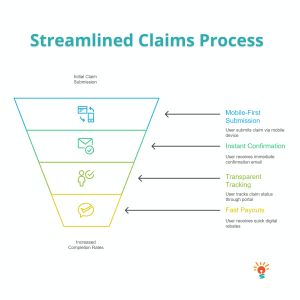
Real-world example: A home improvement brand simplified its rebate form from 12 fields to 5 and optimized it for mobile. Completion rates increased by 40%, and the company experienced a significant decline in support calls related to rebate confusion.
4. Set Realistic but Competitive Timelines
No one wants to wait 8–12 weeks for rebate delivery anymore. In today’s environment, timelines that long damage trust. Be honest about what you can deliver, and lean into digital options that enable payouts in days, not months. Meeting or exceeding expectations here will strengthen loyalty.
Real-world example: A consumer packaged goods company shifted from paper checks to digital payouts within five business days. Not only did redemption rates increase, but post-purchase surveys showed trust scores climbing, with many customers citing “fast rebate delivery” as a reason for repeat purchases.
5. Use Technology and Data to Adapt in Real Time
Black Friday no longer ends on Cyber Monday; it kicks off a six-week sprint to the holidays. Incentive programs should evolve as quickly as the market shifts. Real-time tracking, automated reporting, and mid-campaign adjustments allow you to double down on what’s working and pull back on what’s not, before it’s too late.
Real-world example: A major footwear brand used live reporting dashboards to identify that one style was outperforming others in rebate-driven sales. They shifted budget mid-campaign to expand the offer on that style, boosting incremental sales by 22%.
6. Keep the Relationship Going Beyond Black Friday
 The best incentive programs don’t end with the transaction. Whether it’s a “thank you” message, a rebate status update, or a follow-up loyalty offer, these touchpoints extend the value of your Black Friday investment. Building long-term trust is especially critical when consumers are skeptical about rising prices.
Real-world example: A consumer beverage company followed up rebate redemptions with a personalized “thank you” and loyalty club invite. Over 45% of rebate redeemers joined, leading to higher lifetime value and stronger retention heading into the new year.
The Bottom Line: Relief Builds Loyalty
Black Friday 2025 will be a moment of decision for both consumers and brands. Shoppers are tightening budgets, questioning value, and expecting transparency. The brands that win will be those that see rebates not just as short-term sales drivers, but as trust-building strategies that help consumers feel supported in a volatile market.
At Incentive Insights, incentives are opportunities to build resilience and loyalty that lasts long after the holiday rush. If you want your rebate program to meet this moment with clarity, speed, and scale, we’re here to help.

Nathaniel Smathers, a contributor to the Incentive Insights blog, brings a fresh perspective on business strategies and market trends. With a background in marketing and a passion for data-driven insights, Nathaniel offers a unique blend of expertise and creativity. His approach to dissecting complex market dynamics and transforming them into actionable strategies makes him an invaluable asset to our team.