Over the past few months, Rich Barker and I have had the opportunity to walk the floors of several of the construction industry’s biggest events. From World of Concrete (WOC) in Las Vegas, to the International Roofing Expo (IRE), and now the NAHB International Builders’ Show (IBS) in Orlando, each event provides a slightly different window into the same ecosystem.
WOC highlights the infrastructure and materials that literally underpin the industry. IRE brings together the roofing professionals who protect structures from the elements. IBS expands the lens even further, showcasing the products, systems, and innovations that shape the future of residential and commercial building.
Together, these shows reveal something important: construction is an interconnected industry driven by manufacturers, distributors, contractors, and installers working across multiple specialties. For us at Incentive Insights, that ecosystem matters because the companies that succeed long-term are the ones that build lasting relationships with the professionals who specify and install their products.
In February 2026, more than 75,000 building professionals gathered in Orlando, Florida, for the NAHB International Builders’ Show (IBS). For anyone connected to the construction ecosystem, manufacturers, distributors, contractors, architects, and technology providers, IBS is one of the most important gatherings of the year.
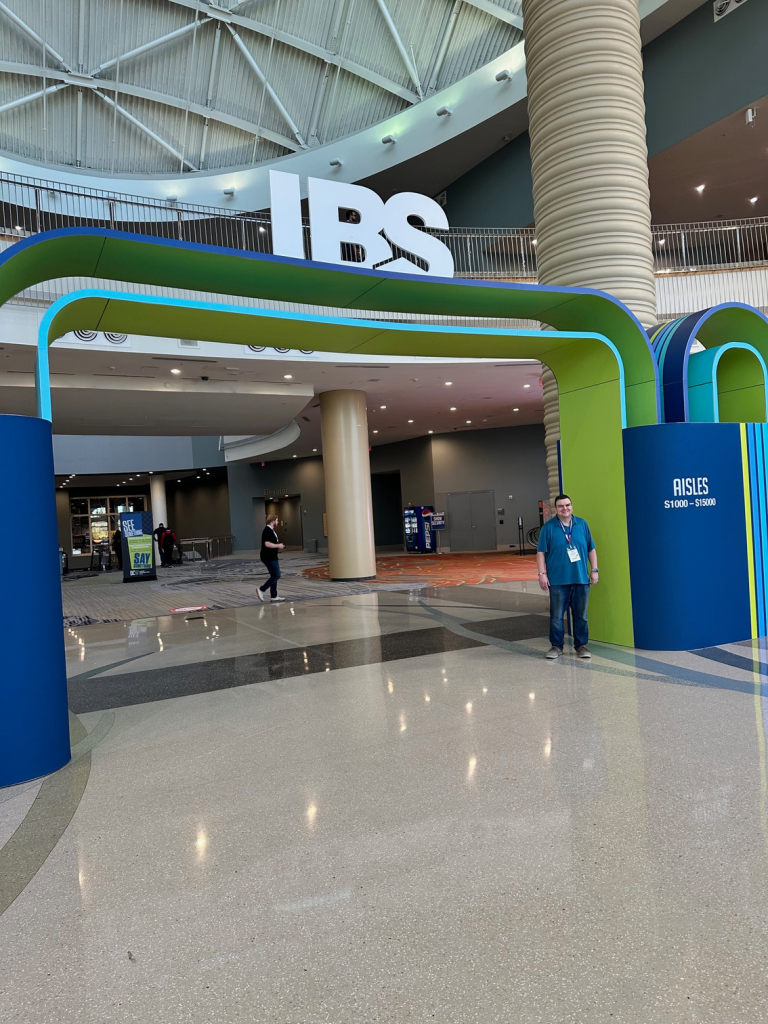
Rich Barker and I attended together, representing Incentive Insights. Our goal was simple: walk the floor, listen to manufacturers, observe emerging technology, and understand what builders and contractors are excited about heading into the next construction cycle.
IBS is not just a trade show. It is a snapshot of where the industry is heading—new materials. Smarter lighting. Sustainable systems. Better tools for builders. And perhaps most importantly, a clearer picture of how manufacturers compete for contractors’ attention and loyalty.
That last point matters to us at Incentive Insights. Many of the manufacturers exhibiting at IBS rely heavily on contractors, dealers, and installers to specify and purchase their products. The companies that win in the long term are not always the ones with the best booth or the flashiest demo. They are the ones who create ongoing relationships with the professionals who actually install their products.
That is where contractor loyalty programs come into play.
Incentive Insights has built systems that allow manufacturers to reward the contractors and vendors who drive their sales. When designed correctly, these programs drive repeat purchasing, capture clean market data, and strengthen brand loyalty in an industry where switching costs are often low.
Walking the IBS floor gave us a firsthand look at companies that are leading their categories. Below are a few top companies at IBS 2026 that stood out.
Jain Building Products
Jain Building Products is part of the larger Jain Irrigation Group, a global organization known for engineering-driven manufacturing across water management, agriculture, and infrastructure systems. Within the construction sector, Jain Building Products focuses on high-performance building materials designed for durability, efficiency, and modern construction demands.
One of the most striking aspects of Jain’s presence at IBS was the emphasis on long-term building performance. Rather than simply marketing individual products, Jain positions its offerings as components of a larger building system designed to improve resilience, efficiency, and sustainability. In an era where builders face increasing pressure to deliver energy-efficient homes while managing cost volatility, this systems-oriented approach resonates strongly.
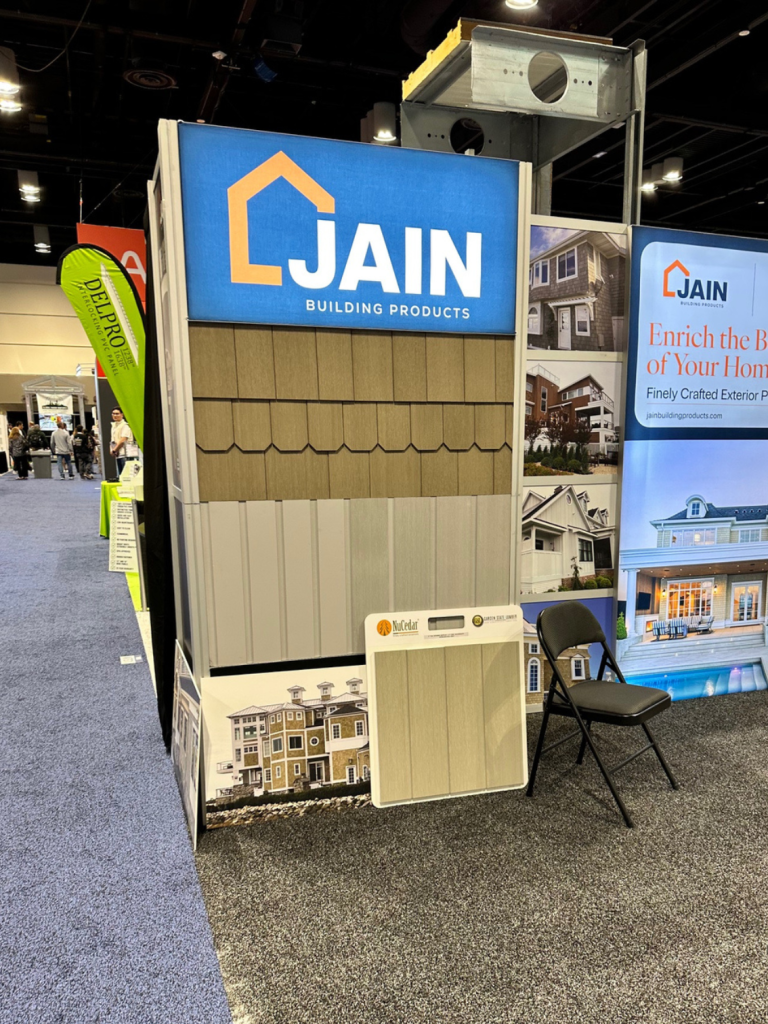
Jain’s product portfolio spans siding solutions, exterior building materials, and structural products designed to withstand exposure to the elements while maintaining visual appeal. Their manufacturing approach stresses rigorous materials science and engineering, enabling their products to compete in markets where durability and lifecycle performance are critical.
As Rich and I moved through their booth, one theme kept surfacing in conversations with builders: reliability. Contractors want materials that perform consistently, install easily, and reduce callbacks. Jain appears to be placing itself squarely in that reliability conversation.
For manufacturers like Jain, contractor relationships are central to growth. Builders often stick with products they trust and have installed successfully before. Programs that reward contractors for repeat purchasing can amplify that trust and encourage product adoption across entire crews or builder networks.
From our vantage point on the IBS floor, Jain Building Products stood out as a company blending global manufacturing expertise with a clear focus on the needs of modern builders.
Amrize
Amrize is one of the more sophisticated players in the construction materials space, combining large-scale manufacturing with a growing emphasis on sustainability and digital innovation. Companies operating at this scale are often responsible for shaping the materials that define entire building categories.
At IBS 2026, Amrize showcased products designed to improve both structural performance and environmental impact. Across the construction industry, sustainability has shifted from a marketing buzzword to a genuine purchasing driver. Builders and developers increasingly seek materials that reduce carbon footprints, improve energy performance, and comply with evolving regulatory requirements.
What stood out most about Amrize was the level of engineering and research embedded in their solutions. Advanced materials science is playing an increasingly important role in modern construction. Whether through improved composites, more durable structural components, or materials designed to reduce waste, manufacturing innovation has downstream effects for builders and contractors.
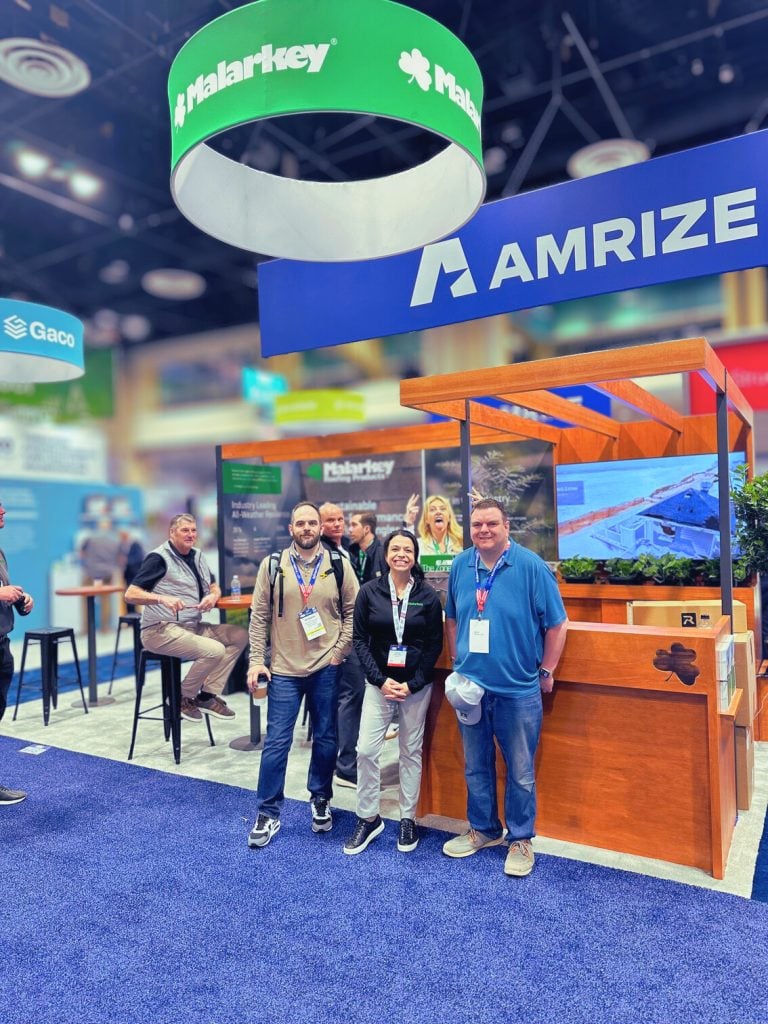
As Rich and I spoke with representatives at their booth, it became clear that companies like Amrize are helping reshape the expectations for building materials. Contractors are no longer just looking for cost-effective products. They want solutions that help them meet performance standards while staying competitive in a fast-changing market.
This alteration also highlights the importance of strong manufacturer–contractor relationships. When contractors adopt new materials or systems, they are taking a calculated risk on installation learning curves and jobsite performance. Incentive programs that reward product adoption and ongoing purchasing can accelerate that transition.
Amrize’s presence at IBS reinforced the idea that large manufacturers are investing heavily in innovation, and that builders are paying attention.
Wood Veneer Hub (WVH)
The Wood Veneer Hub (WVH) was one of the booths that immediately caught our attention for its quality. Known for premium acoustic wall panels and decorative wood veneer products, WVH blends modern design with traditional woodworking aesthetics.
At IBS, their booth showcased beautifully engineered panels that serve both functional and aesthetic roles within residential and business spaces. Acoustic performance has become an increasingly important feature in modern construction, particularly in multi-family developments, office spaces, and high-end residential builds.
WVH’s products address this demand by combining sound absorption with visually striking wood finishes. The result is a product category that appeals not only to builders but also to architects, designers, and developers focused on interior experience.
As we walked through the booth, the attention to detail was impossible to miss. Clean finishes, modular installation systems, and modern design patterns make the panels adaptable across a wide range of projects.
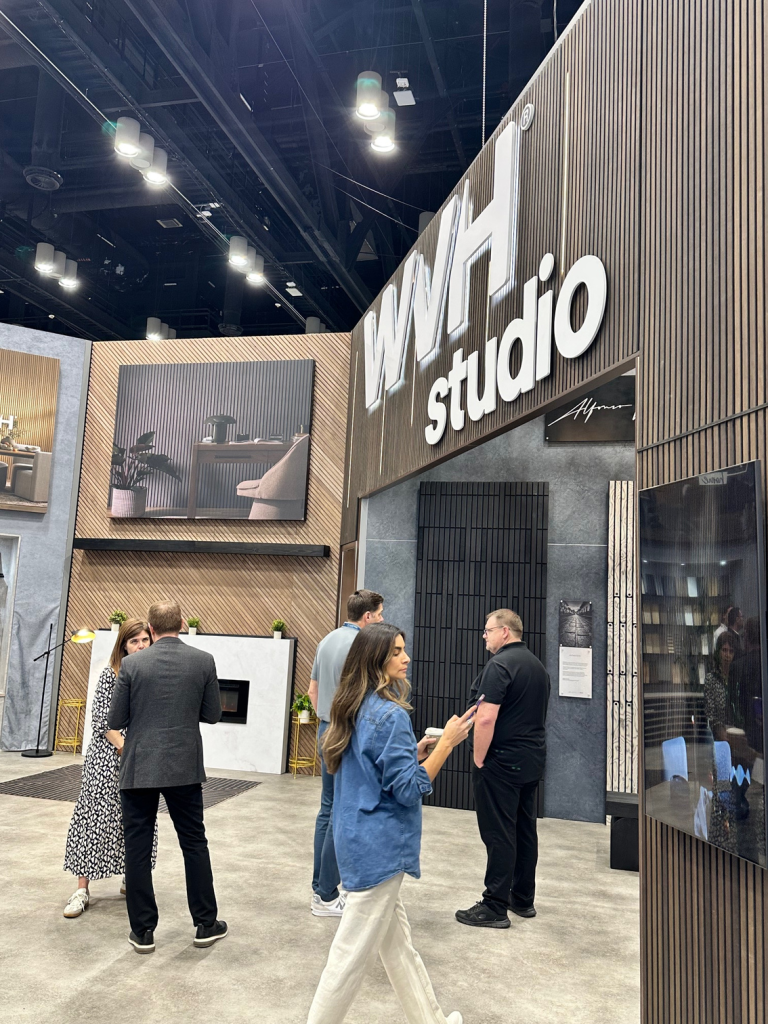
For contractors, products like these offer a way to improve the perceived quality of a build without significantly increasing installation complexity. Systems that are easy to install while delivering high-end aesthetics are particularly attractive in today’s labor-constrained construction environment.
From a market perspective, WVH highlights how design-focused products are gaining momentum alongside structural innovations. Builders are increasingly aware that the end-user experience, how a home sounds, feels, and looks, plays a major role in buyer satisfaction.
Companies like WVH succeed by marrying craftsmanship with scalable manufacturing, allowing builders to incorporate premium design elements without sacrificing efficiency.
Cooper Lighting Solutions (HALO)
Lighting is one of the most visible elements of any building project, yet it is also one of the areas experiencing the most rapid technological evolution. Cooper Lighting Solutions, particularly through its HALO brand, demonstrated how lighting technology continues to advance through smarter systems and improved energy efficiency.
The HALO product line has long been known among electricians and builders for its reliability and ease of installation. At IBS 2026, Cooper Lighting highlighted innovations focused on LED efficiency, smart home compatibility, and improved installation flexibility.
Smart lighting has become a standard expectation in many new homes. Builders are increasingly integrating connected lighting systems that allow homeowners to control brightness, color temperature, and scheduling through mobile apps or home automation systems.
HALO products address this trend while maintaining the contractor-friendly installation process that made the brand popular in the first place. When technology evolves too quickly, contractors sometimes resist adopting it because it complicates installation. Cooper Lighting appears focused on solving that problem by making advanced features easy to implement.
As Rich and I spoke with booth staff, the conversation repeatedly returned to contractor trust. Electricians and builders tend to stick with brands that deliver predictable performance and simple installation.
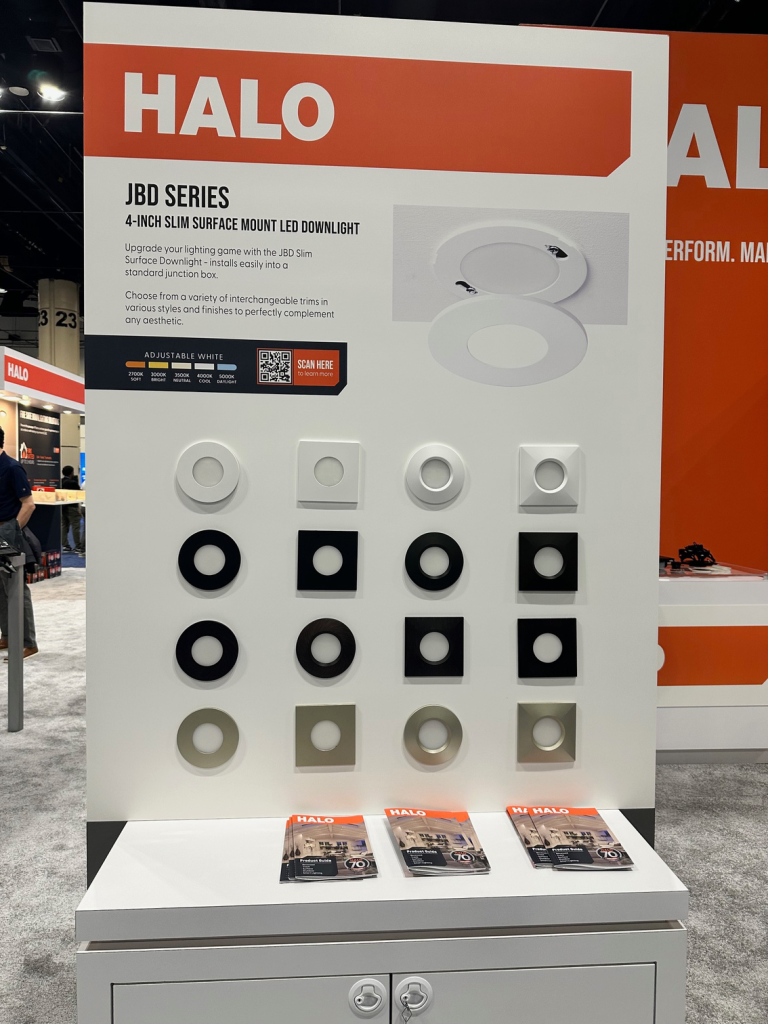
For manufacturers in categories like lighting, installer loyalty can determine market share. Programs that reward electricians and contractors for specifying certain products can strongly impact purchasing patterns across entire builder networks.
Cooper Lighting’s presence at IBS underscored that technology and reliability must move in tandem for innovation to gain traction in the field.
Solyt
Solyt represents a category of building technology focused on energy efficiency and climate control within building envelopes. As construction moves toward more energy-conscious designs, companies developing advanced insulation and climate management systems are gaining attention.
At IBS 2026, Solyt demonstrated solutions designed to improve thermal performance and overall building efficiency. Products in this category directly impact energy consumption, comfort, and long-term building operating costs.
Builders today face growing pressure from both consumers and regulators to construct homes that meet higher energy performance standards. This includes improved insulation systems, tighter building envelopes, and materials designed to reduce heat transfer.
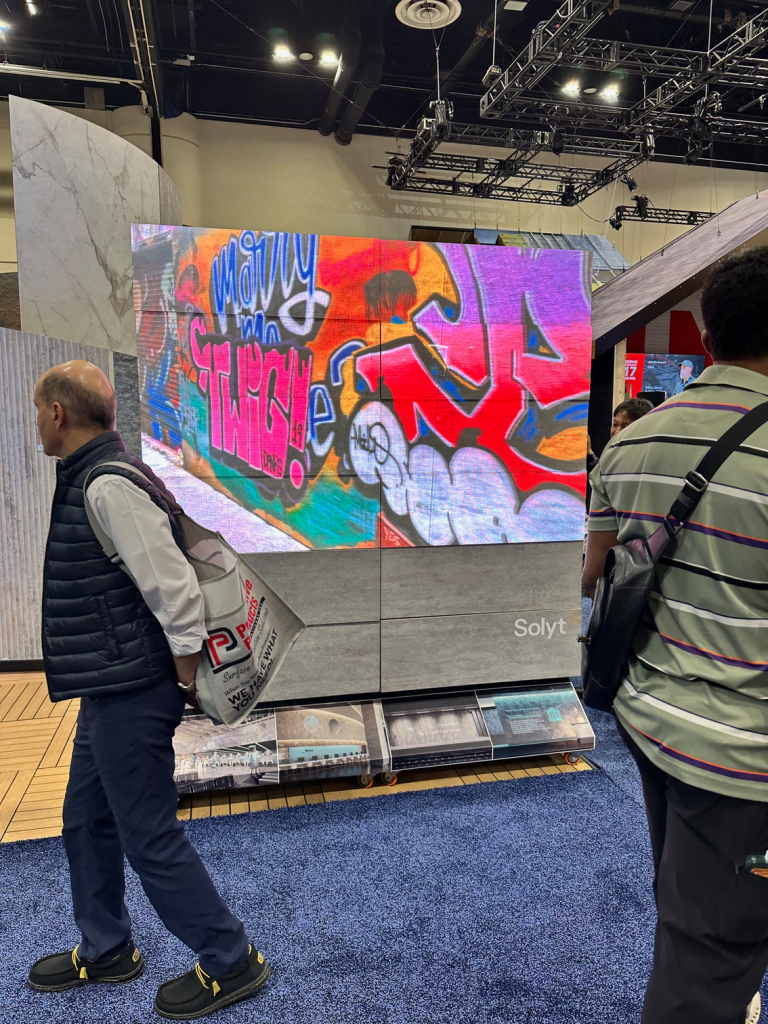
Solyt’s approach focuses on integrating advanced materials with practical installation methods that contractors can adopt without dramatically altering their workflows. This balance between innovation and practicality is critical for widespread adoption.
As we spoke with attendees exploring the booth, many were focused on how these types of technologies could help differentiate their projects in competitive housing markets. Energy efficiency is no longer just an environmental talking point—it has become a major selling feature for homeowners concerned about utility costs.
For manufacturers operating in this space, the contractor network plays a vital role in driving adoption. Builders and installers are the gatekeepers of which technologies ultimately make it into homes and commercial buildings.
Programs that reward contractors for adopting advanced building technologies can accelerate market penetration while providing manufacturers with valuable purchasing data.
Solyt stood out as a company working at the intersection of sustainability, building science, and practical construction.
Baird Brothers Fine Hardwoods
While many booths at IBS focused on cutting-edge technology or advanced building systems, one company that made a lasting impression on us was Baird Brothers Fine Hardwoods. In many ways, their presence served as a reminder that innovation in construction does not always mean reinventing materials; it can also mean refining craftsmanship and bringing timeless materials into modern building design.
Baird Brothers is a family-owned hardwood supplier headquartered in Ohio and now operated by the third generation of the Baird family. Builders, architects, and artisans across North America use premium hardwood products in residential construction, remodeling, and custom woodworking projects. Their catalog includes stair parts, hardwood moldings, panels, doors, railings, and custom millwork solutions used by builders, architects, and artisans across North America.
What makes Baird Brothers particularly interesting is how they have balanced traditional woodworking with modern manufacturing and distribution. Hardwood products have long been valued for their durability, natural beauty, and structural reliability. However, companies that succeed in this category today must also cope with evolving architectural trends, tighter project timelines, and increasingly sophisticated homeowner expectations.
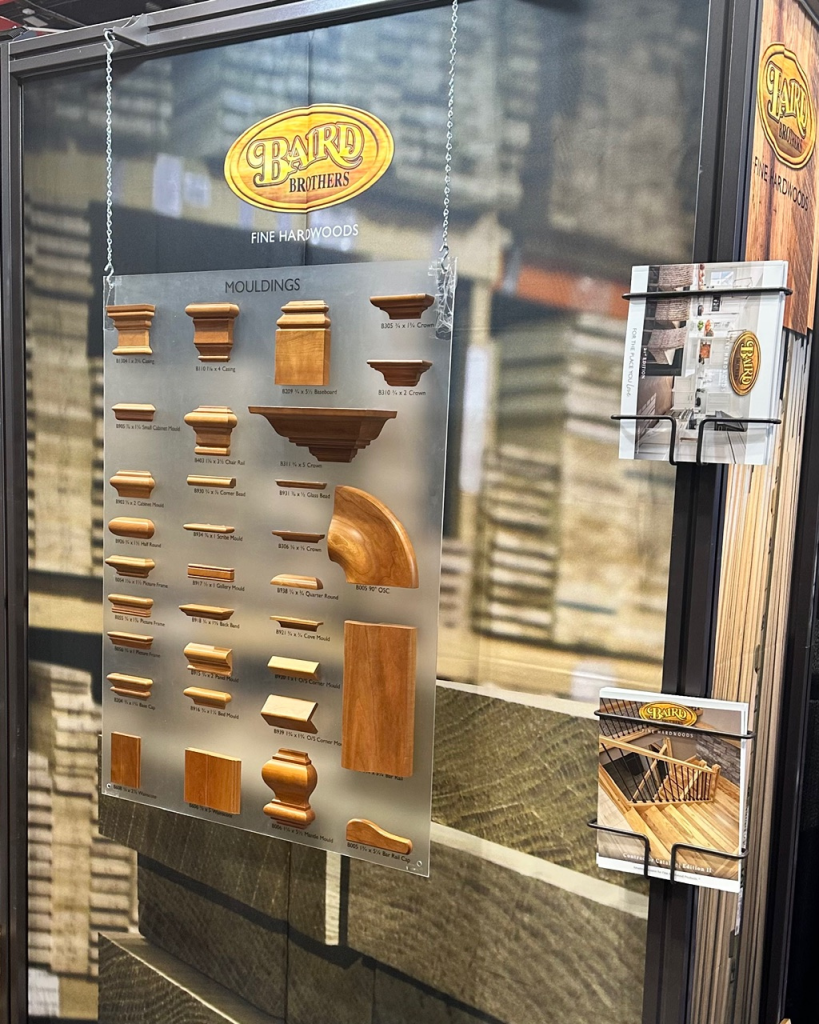
Baird Brothers appears to be doing exactly that. Their operation combines old-world woodworking expertise with advanced milling technology, enabling them to produce highly consistent products at scale. Builders can order precise components that fit seamlessly into their workflows, while still achieving the aesthetic and material quality associated with true hardwood craftsmanship.
During our conversation at IBS, it became clear that their commitment to quality runs deep. Meeting a third-generation owner reinforced the sense that this is a company focused on longevity, reputation, and relationships. In an industry where many products are becoming commoditized, the focus on craftsmanship stands out.
From a broader industry perspective, hardwood elements continue to play an important role in differentiating homes and commercial spaces. Builders increasingly look for ways to create warmth, texture, and visual character within modern architectural styles. Hardwood stair systems, railings, and interior millwork offer exactly that type of design impact.
Companies like Baird Brothers demonstrate that, even in an era of rapid technological change, traditional materials remain highly relevant. Their ability to combine heritage craftsmanship alongside modern manufacturing makes them a strong example of how classic building materials continue to evolve alongside the rest of the construction industry.
The Real Value of IBS for Manufacturers
Walking the IBS show floor makes one thing clear: the construction industry thrives on relationships.
Contractors talk to contractors. Builders share recommendations. Installers rely on products they trust. A single contractor’s preference can influence purchasing decisions across dozens of projects each year.
For manufacturers, that means winning contractor loyalty is not optional. And why I was happy to be there was because we have a service that could truly help manufacturers.
Our rebate management system allows manufacturers to reward repeat purchases. It encourages product adoption and captures the data needed to understand how their products move through the market. These systems transform one-time transactions into long-term partnerships.
At Incentive Insights, we help manufacturers design and operate these programs so they are easy for contractors to participate in and easy for manufacturers to manage.
After spending days walking IBS 2026, one thing became obvious: the companies that will lead the next decade of construction are not only innovating in materials and technology, they are investing in the relationships that foster real-world product adoption.
A Quick Break from the Show Floor
Of course, not everything at IBS happens inside the convention center.
One of the highlights of the trip was an evening event hosted by Rubrwall at Topgolf. After a full day navigating the show floor, it was the perfect setting to relax, meet new people in the industry, and talk shop in a more informal environment.

Events like these are where many of the best conversations happen. Builders, manufacturers, and technology providers exchange ideas while taking a few swings at the range.
It was also a great reminder that the construction industry is built on community as much as competition.
And yes—there is definitely B‑roll footage somewhere of Rich and me trying to prove we still remember how to swing a golf club.
IBS 2026 Takeaways
After several days walking the show floor, talking with manufacturers, and observing how builders interact with new products, a few themes became clear.
- Contractors remain the most influential decision-makers in the building ecosystem.
Many manufacturers market to architects or developers, but contractors ultimately determine which products get installed repeatedly. Winning contractor trust often determines long-term market share. - Innovation must remain practical for jobsite adoption.
> Across lighting, materials, insulation, and design products, the companies gaining traction are the ones that balance technological advancement with simple installation. Builders adopt innovation faster when it fits naturally into existing workflows. - Design and experience are becoming competitive differentiators.
> Products such as acoustic wood panels, advanced lighting systems, and energy-efficient materials highlight how builders are increasingly focused on the homeowner experience—not just on structural performance. - Manufacturer–contractor relationships are becoming strategic assets.
The most successful manufacturers are not simply selling products; they are building loyalty with contractors and installers. Programs that reward repeat purchases and track contractor engagement are becoming key tools in this effort.
These insights reinforce why contractor loyalty programs and promotional programs are becoming more common across the construction industry. When manufacturers recognize and reward the professionals who consistently install their products, they strengthen the relationships that ultimately drive market share.
Final Thoughts
IBS 2026 reinforced something we see every day in our work with manufacturers.
Innovation matters. Great products matter. But relationships drive the market.
Manufacturers that invest in contractors, dealers, and builders who champion their products are the ones that win in the long term.
And if IBS showed us anything this year, it is that the companies shaping the future of construction are thinking just as much about relationships as they are about technology.
We are already looking forward to next year’s show.

Nathaniel Smathers, a contributor to the Incentive Insights blog, brings a fresh perspective on business strategies and market trends. With a background in marketing and a passion for data-driven insights, Nathaniel offers a unique blend of expertise and creativity. His approach to dissecting complex market dynamics and transforming them into actionable strategies makes him an invaluable asset to our team.
Recent Posts